



Gxene Biotech has been engaged in microbial gene editing for many years and has established a comprehensive gene editing technology platform. Our gene editing technology platform has experienced technical personnel, standardized and effective experimental workflows, and comprehensive experimental equipment. Our scientists can provide one-on-one customized solutions according to customers' specific needs and provide editing services for a variety of microorganisms to meet customer needs.
CRISPR-Cas, as a highly flexible genome editing research tool, is gradually changing biological and biomedical research. The CRISPR-Cas system is a natural immune system of prokaryotes used to eliminate foreign plasmids or phages. After some bacteria are invaded by viruses, they can store a small segment of viral genes in their own DNA in a storage space called CRISPR. When they encounter viral invasion again, the bacteria can recognize the virus based on the stored fragment and cut the viral DNA to inactivate it. This system enables researchers to accurately manipulate genomes in a variety of different ways. At present, the CRISPR-Cas system has been widely used in different biological research fields, such as the development of cell lines and animal models, as well as other fields such as drug, food, and fuel production.
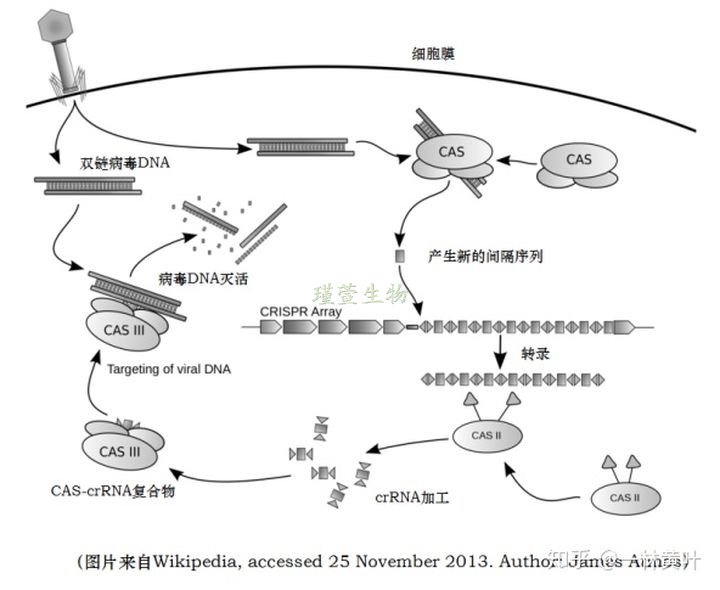
Figure 1 CRISPR-Cas system
Traditional λRed Homologous Recombination Method:
Homologous recombination is a means by which prokaryotes acquire genetic diversity and is one of the main evolutionary mechanisms of their genomes. Homologous recombination includes the RecA recombination system and the Red recombination system. The RecA recombination system is a recombination system naturally present in Escherichia coli and consists of RecA protein and auxiliary proteins (such as RecBCD, RecFOR, etc.). The λ-Red recombination system is a recombination system derived from λ phage and was first applied to Escherichia coli chromosome modification in 1998. The recombinases in the FLP/FRT recombination system and the Cre/lox recombination system both belong to tyrosine recombinases. Among them, the FLP/FRT recombination system is often used in combination with the λ-Red recombination system as an auxiliary means for resistance removal after gene recombination.
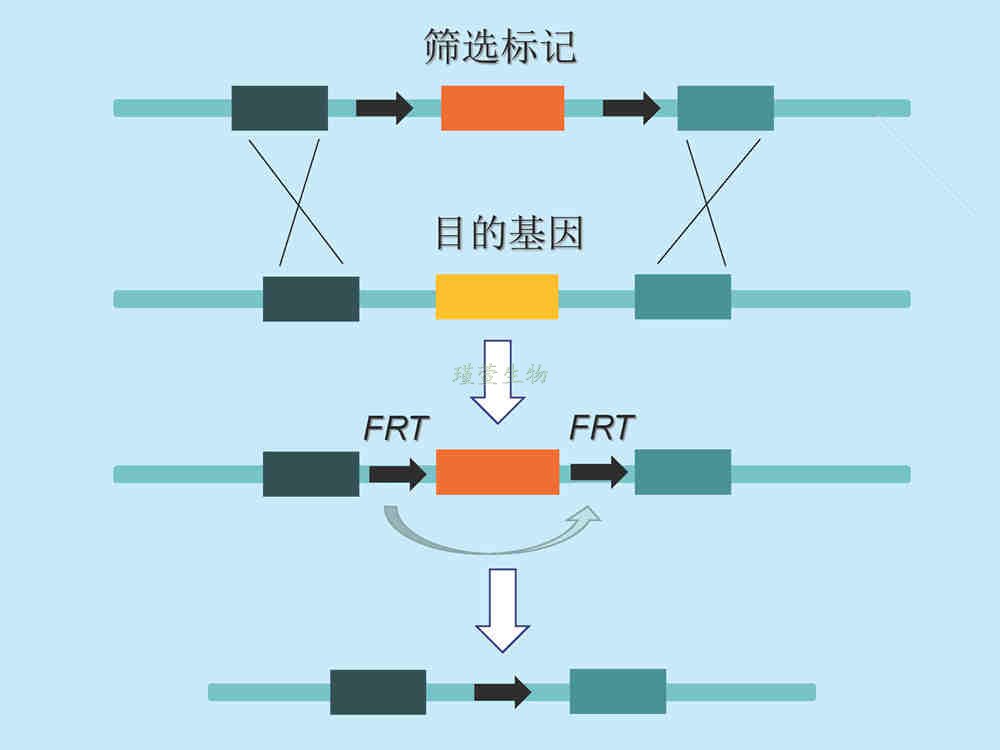
Figure 2 Traditional λRed homologous recombination method
CRISPR/Cas9 Gene Editing Technology:
CRISPR-Cas9 gene editing technology uses artificially designed sgRNA (guide RNA) to recognize the target genomic sequence and guide the Cas9 protease to efficiently cut the DNA double strand, forming a double-strand break. Repair after damage can cause gene knockout or knock-in, etc., ultimately achieving the purpose of modifying genomic DNA. Compared with traditional homologous recombination methods for gene knockout, CRISPR-Cas9 gene editing technology is faster, scarless, and more accurate, making it very convenient for you to carry out subsequent experimental research.
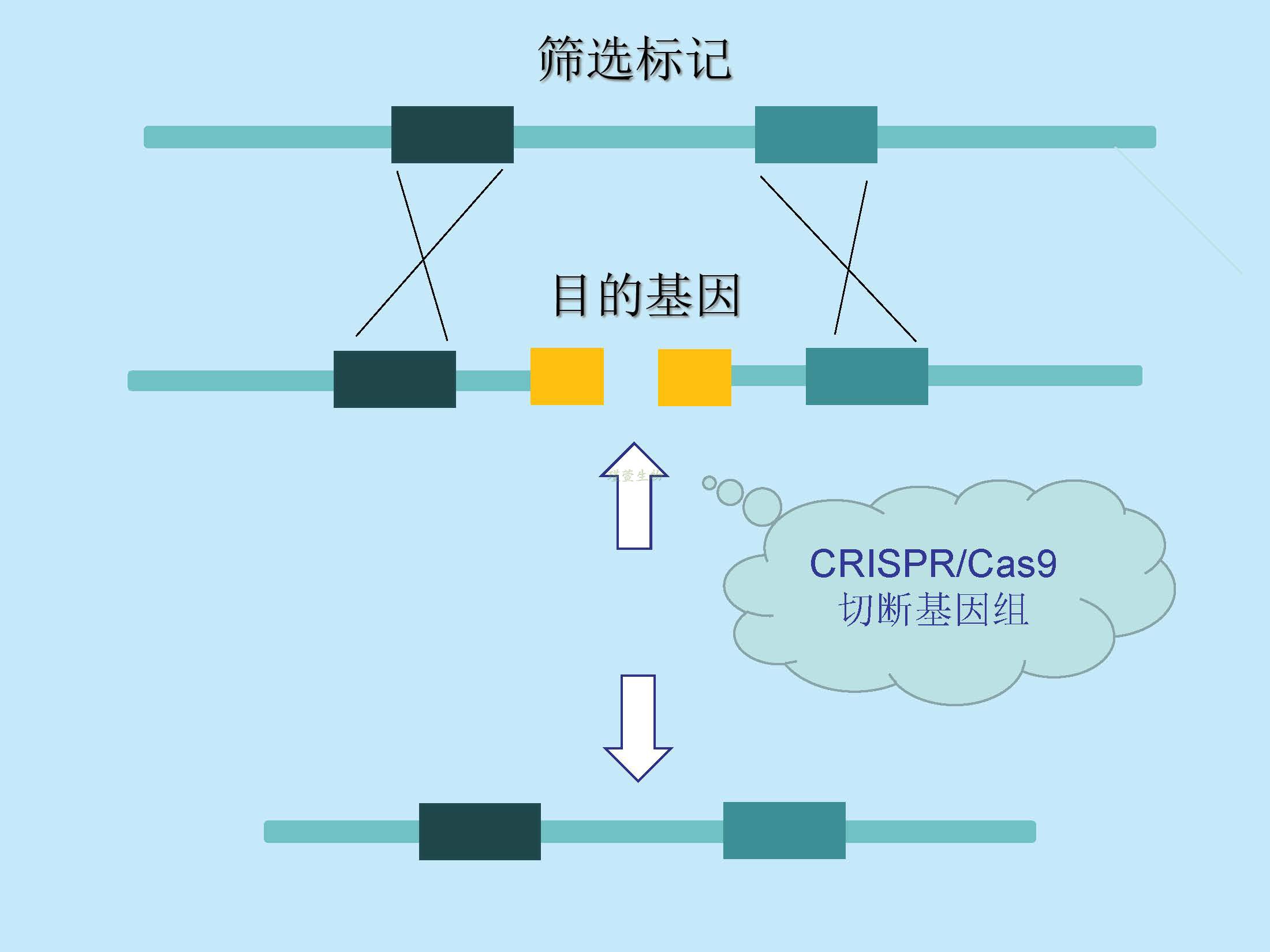
Figure 3 CRISPR/Cas9 gene editing technology
| Service Type | Technical Principle |
| Gene Knockout | * Principle:Cas9 can cleave the target genome, forming a DNA double-strand break. Under normal circumstances, cells use effective non-homologous end joining to repair it. However, mismatches often occur during the process, causing frameshift mutations and making the target gene lose its function, thereby achieving gene knockout. |
| Gene Knock-in | * Principle:After a DNA double-strand break, if a DNA repair template enters the cell, the broken genomic portion undergoes homology-directed repair (HDR) based on the repair template, thereby achieving gene knock-in. The repair template consists of the target gene to be introduced and homology arms upstream and downstream of the target sequence. |
| Gene Suppression, Gene Activation | * Characteristics of Cas9:can autonomously bind and cleave the target gene; * Principle:通过点突变的方式使Cas9的两个结构域RuvC-和HNH-失去活性,形成的dCas9只能在sgRNA的介导下结合靶基因,而不具备剪切DNA的功能。 |
| Functional Genomic Screening | * Principle:Gene editing using CRISPR-Cas9 can generate a large number of gene-mutant cells. Therefore, these mutant cells can be used to confirm whether phenotypic changes are caused by genes or genetic factors. |
Microbial Gene Editing System:

Service Advantages:
–One-on-one customized solutions can be provided according to customer needs to meet customer requirements
–Short experimental turnaround, saving customer time and cost
–Mature experimental technology and standardized experimental workflows to achieve scarless genome editing
–Gene editing systems for a variety of microorganisms, suitable for customers' various projects
–Can provide strong technical support for developing CRISPR methods for new microorganisms
–Optimization of multiple methods and conditions such as CRISPR and homologous recombination to efficiently obtain edited strains
–Homologous recombination can be delivered in stages


