
Complete Guide to Immune Cytokines
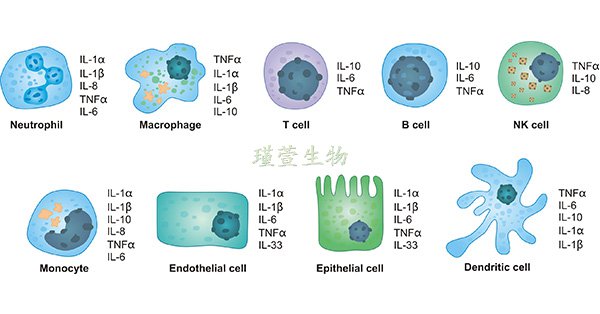
Immune cytokines are small-molecule proteins or polypeptides secreted by immune cells (such as T cells, B cells, macrophages, etc.) and related cells (such as pluripotent stem cells, myeloid stem cells, lymphoid stem cells, etc.). By binding to specific receptors, they regulate immune responses, mediate inflammatory reactions, and participate in various biological processes including cell growth and differentiation.

I. Sources of Immune Cytokines
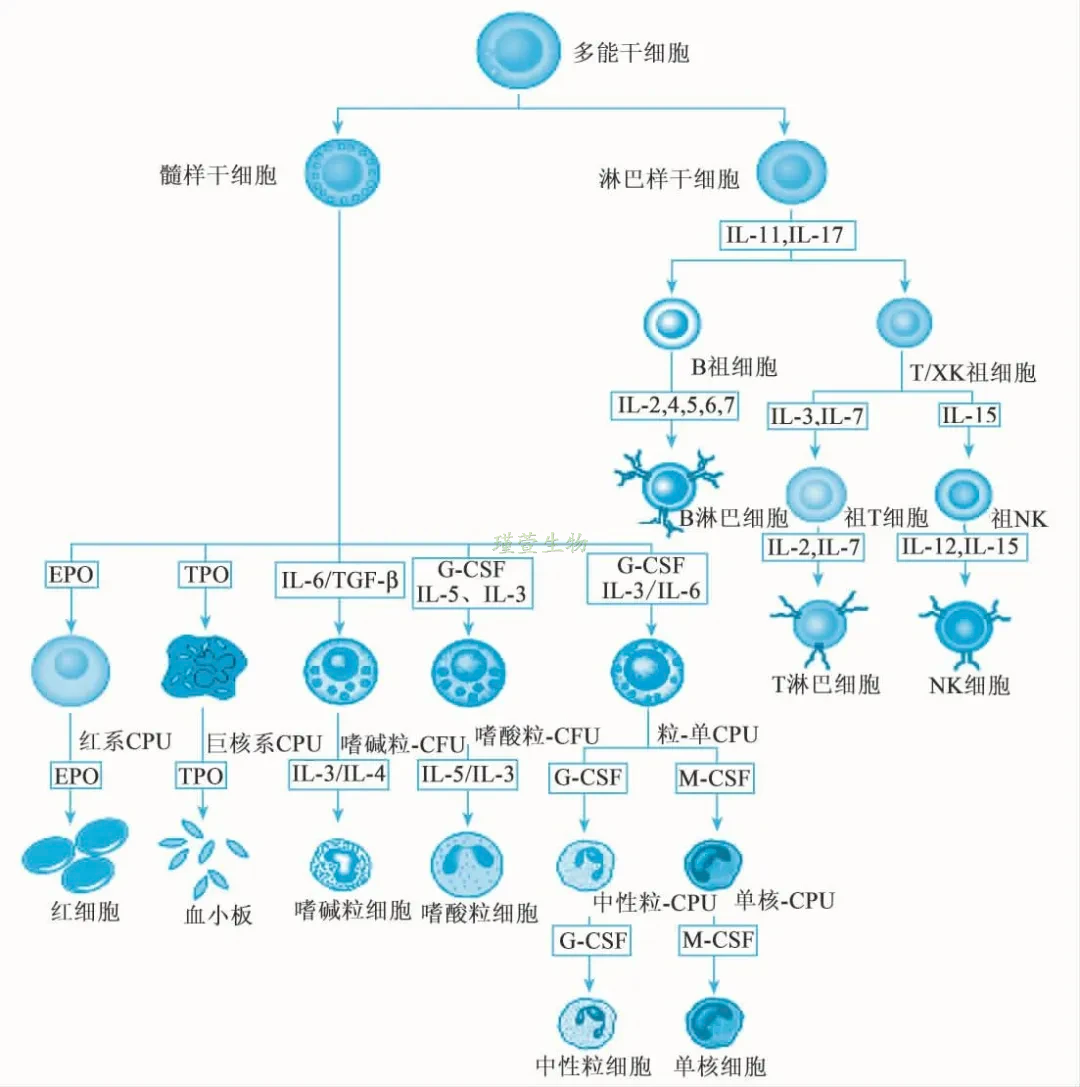
The origin of immune cytokines can be traced back to pluripotent stem cells. These stem cells differentiate into myeloid stem cells and lymphoid stem cells, which further generate various immune cells and associated cytokines.
Myeloid stem cells: differentiate into erythropoietic tissue (EPO), thrombopoietic tissue (TPO), megakaryocyte colony-forming unit (CFU-Meg), granulocyte-monocyte colony-forming unit (CFU-GM), etc. These cells further differentiate into erythrocytes, platelets, basophils, eosinophils, neutrophils, monocytes, etc., and secrete a variety of cytokines including IL-6, TGF-β, G-CSF, IL-5 and IL-3.
Lymphoid stem cells: differentiate into B progenitor cells and T/XK progenitor cells, which subsequently produce B lymphocytes, T lymphocytes, NK cells, etc. Cytokines secreted by these cells include IL-2, IL-3, IL-4, IL-5, IL-6, IL-7 and IL-15, which play vital roles in cellular and humoral immunity.
II. Classification and Functions of Immune Cytokines
Immune cytokines can be classified into multiple categories based on their functions and origins, mainly including interleukins (IL), interferons (IFN), tumor necrosis factors (TNF), colony-stimulating factors (CSF), chemokines and others.
Interleukins (IL)
IL-2: Mainly secreted by activated T cells; promotes proliferation and differentiation of T and B cells, and enhances NK cell activity.
IL-3: Exerts broad hematopoietic stimulatory effects and triggers proliferation and differentiation of pluripotent stem cells and progenitor cells of multiple lineages.
IL-4: Mainly secreted by Th2 cells; promotes B cell proliferation and differentiation, induces IgE production and participates in allergic responses.
IL-5: Primarily acts on eosinophils to promote their development and activation, and participates in anti-parasitic infection and allergic reactions.
IL-6: Secreted by a variety of cells with versatile biological activities, such as promoting B cell differentiation and inducing acute-phase protein synthesis.
IL-7: Mainly targets T and B cell progenitors to facilitate their development and maturation.
IL-15: Shares similar biological activities with IL-2 and stimulates proliferation and activation of T cells and NK cells.
Colony-Stimulating Factors (CSF)
G-CSF: Mainly targets the neutrophil lineage to promote its proliferation, differentiation and activation.
M-CSF: Mainly acts on the monocyte-macrophage lineage to promote its growth and differentiation.
GM-CSF: Has broader stimulatory effects and induces proliferation and differentiation of granulocytes, monocytes and macrophages.
Other Cytokines
TGF-β: Possesses immunosuppressive and anti-inflammatory effects and inhibits proliferation and differentiation of T cells and B cells.
TNF-α: Mainly secreted by monocytes and macrophages; exhibits anti-tumor, anti-viral and immunomodulatory effects, yet excessive secretion may cause tissue injury.
Chemokines: Such as CCL5, which recruit and activate immune cells and participate in inflammatory responses and immune surveillance.


